
Tracing the historical evolution of gambling A journey through time and chance
The Origins of Gambling
The history of gambling can be traced back thousands of years to ancient civilizations, where it served both as a form of entertainment and a method for divination. Evidence of dice dating back to 3000 BC has been found in archaeological sites in India, highlighting how the allure of chance has captivated humanity since ancient times. Early forms of gambling were often intertwined with religious practices, with games of chance used to predict the future and appease deities. Today, players can enjoy various platforms, including a bitcoin live casino that caters to modern preferences.

In Ancient China, around 2000 BC, keno emerged as a popular gambling game that involved selecting numbers to win prizes. Similarly, the Romans held various gambling activities, ranging from dice games to betting on chariot races. These early instances of gambling not only served as leisure activities but also played a vital role in socializing and community building within these societies.
As civilizations progressed, so did the complexity and variety of gambling activities. The introduction of card games in the 9th century in China marked a significant evolution in gambling practices. These developments laid the groundwork for modern gambling, demonstrating that the thrill of chance has always been a fundamental aspect of human nature.
The Rise of Formal Gambling Establishments
The 17th century marked a pivotal moment in the evolution of gambling, with the establishment of the first formal gambling houses in Europe. These establishments, known as casinos, originated in Italy and soon spread across the continent. They provided a structured environment where people could engage in various games of chance, from dice to card games, under the supervision of officials to ensure fairness.
By the 18th century, casinos had become a staple in European culture, particularly in cities like Paris and Monte Carlo. The attraction of these venues extended beyond just gambling; they became social hubs where individuals could mingle and experience luxury. The rise of casino culture also ushered in an era of gambling regulation, as governments recognized the need to control and tax these establishments to curb illegal gambling activities.
The influence of casinos continued to expand into the 19th century, culminating in the establishment of renowned gaming establishments like the Baden-Baden Casino in Germany and the Casino de Monte-Carlo. These venues set the standard for elegance and sophistication in gambling, attracting wealthy patrons and further cementing gambling as a prominent aspect of society.
The Impact of Technology on Gambling
The 20th century witnessed a technological revolution that transformed gambling as we know it. The invention of the slot machine in the late 19th century offered a new way for people to engage in gambling without requiring skill or strategy. These machines quickly gained popularity in bars and saloons, making gambling accessible to the masses. Slot machines paved the way for the development of various electronic gaming machines, which would dominate the gambling landscape in subsequent decades.
The introduction of the internet in the late 20th century heralded a new era of online gambling. By the late 1990s, the first online casinos emerged, allowing players to gamble from the comfort of their homes. This innovation revolutionized the industry, breaking geographical barriers and enabling players to access a vast array of games at any time. The proliferation of online gambling sites also led to the rise of sports betting and virtual casinos, further expanding the scope of gambling activities.
In recent years, advancements in mobile technology have made gambling even more convenient. With the advent of smartphone applications, players can now enjoy their favorite games anytime and anywhere. The integration of cryptocurrency into online gambling has also introduced new levels of privacy and security, allowing for seamless transactions without traditional banking limitations. This continuous evolution emphasizes how technology will shape the future of gambling further.
The Global Perspective on Gambling
Gambling practices vary widely across cultures and countries, influenced by local laws, traditions, and attitudes toward chance. In many Western nations, gambling is often viewed as a legitimate form of entertainment, leading to the establishment of well-regulated casinos and online gambling platforms. Conversely, in some cultures, gambling is considered taboo, leading to strict regulations or outright bans on gambling activities.
The global gambling market has experienced unprecedented growth, with an increasing number of countries recognizing the economic benefits of legalizing and regulating gambling. Nations like Canada and Australia have embraced gambling as a source of revenue, implementing measures to protect consumers and promote responsible gambling. This trend highlights a shift in attitudes toward gambling, with an acknowledgment of its potential to contribute positively to economies, as seen with the rise of the bitcoin live casino.
International events like the World Series of Poker and the FIFA World Cup have popularized sports betting and casino gambling on a global scale, fostering a culture of gambling that transcends borders. This globalization of gambling underscores the idea that, regardless of local perceptions, the urge to gamble remains a universal aspect of human behavior.
Exploring Modern Gambling Trends
As we delve into the modern landscape of gambling, several trends emerge that shape how individuals engage with games of chance. One such trend is the increasing popularity of live dealer games, where players can interact with real dealers through video streaming technology. This innovation creates an immersive experience, bridging the gap between online and land-based casinos, and allowing players to enjoy the thrill of a casino atmosphere from home.
Additionally, the rise of cryptocurrency gambling has gained traction, with players turning to Bitcoin and other digital currencies for their gambling transactions. These platforms offer enhanced privacy, faster transaction speeds, and lower fees compared to traditional banking methods. The integration of blockchain technology into gambling further enhances security and transparency, gaining the trust of players worldwide.
As gambling continues to evolve, the focus on responsible gambling practices has become paramount. Modern platforms are increasingly implementing tools to promote safe gambling behaviors, such as deposit limits and self-exclusion options. These measures not only protect players but also contribute to the industry’s long-term sustainability, demonstrating a commitment to social responsibility.
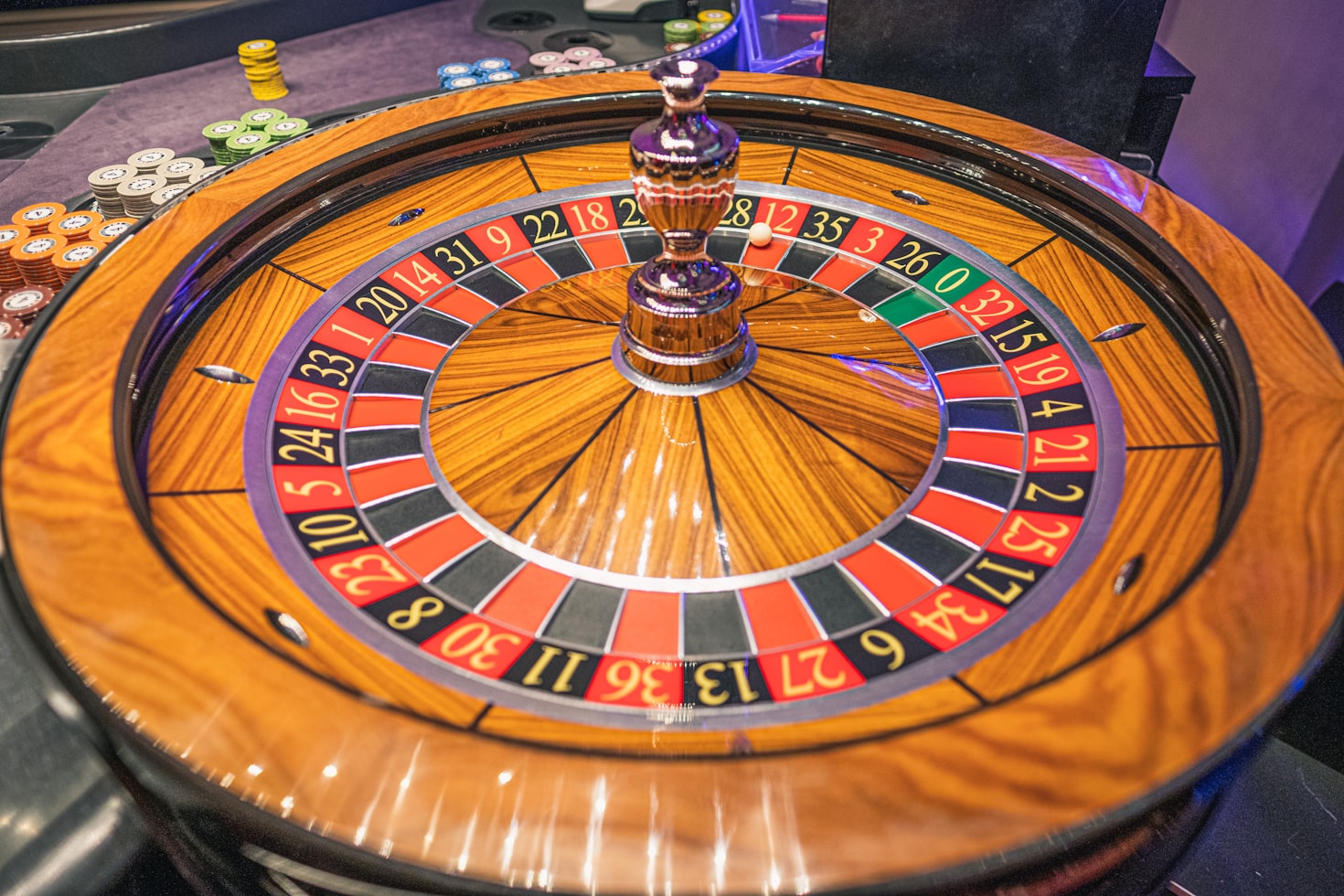
Your Journey Through the Gambling Universe
As you navigate the rich and intricate world of gambling, it’s essential to stay informed about the latest trends, regulations, and opportunities. Our website serves as a comprehensive resource for enthusiasts, providing in-depth reviews, insights, and updates about various gambling platforms, including online casinos and sports betting. We aim to empower players by offering guidance on making informed decisions in their gaming experiences.
With the ever-evolving landscape of gambling, understanding the historical context and technological advancements can enhance your appreciation of this multifaceted industry. Our dedicated team works tirelessly to ensure you have access to the most relevant information, helping you to explore different gaming experiences while prioritizing safety and responsibility.
Join us on this journey through time and chance, as we delve into the exciting realm of gambling. Whether you are a novice looking to learn or an experienced player seeking the latest trends, our platform is designed to enhance your understanding and enjoyment of gambling in all its forms.